
If you’ve been searching for ways to lose weight, you’ve probably come across countless claims.
“Burn fat in seven days.”
“The perfect fat-loss workout.”
“The one exercise you need.”
Unfortunately, weight loss isn’t that simple.
The good news is that you don’t need expensive gym memberships, complicated equipment or extreme workout programmes to become healthier.
Calisthenics, or bodyweight training, can absolutely help you lose weight.
But perhaps not in the way most people think.
At Califitoga, we believe understanding why something works is just as important as knowing what to do. This guide explains how fat loss actually happens, where calisthenics fits into the process and what realistic results you can expect if you’re starting from zero.
The Short Answer
Yes.
Calisthenics can help you lose weight.
However, no exercise burns fat on its own.
Fat loss happens when your body consistently uses more energy than it receives from food.
This is known as a calorie deficit.
Exercise helps create that deficit, but nutrition, sleep, recovery and consistency all play equally important roles.
Understanding this principle removes much of the confusion surrounding weight loss.
How Fat Loss Actually Works
Your body stores excess energy as fat.
When you consume fewer calories than your body needs over time, it begins using stored fat as an energy source.
This process is called fat oxidation.
Several factors influence fat loss:
- Daily calorie intake
- Physical activity
- Muscle mass
- Sleep quality
- Stress levels
- Hormonal health
- Long-term consistency
No single workout overrides these factors.
The most successful weight-loss plans combine sensible nutrition with regular movement that people can maintain for months and years.
How Calisthenics Helps You Lose Weight
Although calisthenics doesn’t directly “burn belly fat”, it supports fat loss in several important ways.
1. It Burns Calories
Every movement requires energy.
Exercises such as:
- Squats
- Push-ups
- Burpees
- Mountain climbers
- Lunges
- Planks
Increase your energy expenditure.
The harder and longer you move, the more calories your body uses.
A full-body calisthenics session can become an excellent cardiovascular and strength workout at the same time.
2. It Builds Lean Muscle
One of the biggest advantages of calisthenics is that it doesn’t simply burn calories during exercise.
It also builds muscle.
Muscle tissue is metabolically active.
That means your body uses energy to maintain it, even while you’re resting.
Although the increase in resting metabolic rate is modest, preserving and building lean muscle is one of the best ways to support healthy long-term weight management.
Perhaps even more importantly, maintaining muscle while losing weight helps improve body composition.
You don’t simply become lighter.
You become stronger.
3. It Increases Daily Movement
One reason people succeed with calisthenics is its accessibility.
You can train:
- At home
- In a park
- While travelling
- During a lunch break
Removing barriers makes regular exercise easier.
Consistency usually matters far more than finding the “perfect” workout.
4. It Improves Functional Fitness
Weight loss isn’t just about appearance.
It’s about improving how your body feels and functions.
As you become stronger, everyday activities become easier.
You walk more comfortably.
Climb stairs without becoming breathless.
Play with your children for longer.
Carry shopping with less effort.
These improvements often encourage people to become more active throughout the day, increasing overall energy expenditure.
Does Calisthenics Boost Your Metabolism?
Many people hear that exercise “boosts metabolism.”
There’s some truth to this, but it’s often exaggerated.
Calisthenics influences metabolism in several ways.
During Exercise
Your body burns calories while performing bodyweight movements.
Higher-intensity sessions generally require more energy.
After Exercise
Following strength-based exercise, your body continues using additional energy during recovery.
This effect, sometimes called excess post-exercise oxygen consumption (EPOC), contributes a small but meaningful increase in calorie expenditure after training.
Through Muscle Preservation
Perhaps the biggest metabolic advantage of calisthenics is helping preserve lean muscle while losing weight.
Maintaining muscle supports a healthier metabolism and improves body composition during weight loss.
What Does the Research Say?
Research consistently supports combining resistance training with a balanced diet for effective weight management.
Studies suggest that strength training can help:
- Preserve lean muscle during weight loss.
- Improve body composition.
- Increase physical function.
- Support long-term weight maintenance.
Research also shows that people who enjoy their exercise routine are more likely to remain physically active over time.
This may be one of calisthenics’ greatest strengths.
It is accessible, progressive and can be practised almost anywhere.
The best programme is usually the one you continue doing.
Nutrition Matters More Than Most People Think
This may not be the answer people want to hear.
But it is the truth.
You cannot consistently out-train a poor diet.
Exercise and nutrition work together.
For sustainable fat loss, focus on:
- Eating enough protein
- Including plenty of vegetables
- Choosing whole foods more often
- Drinking enough water
- Managing portion sizes
- Sleeping well
There is no need for extreme diets or eliminating entire food groups unless medically advised.
Small, sustainable changes usually outperform short-term restrictive diets.
What Should Beginners Expect?
One of the biggest mistakes people make is expecting dramatic changes within a few weeks.
Healthy weight loss is gradual.
During your first month, you may notice:
- Improved energy
- Better posture
- Increased strength
- Better mobility
- Improved confidence
- Easier daily movement
Visible physical changes often take longer.
That’s normal.
Your body is adapting in many ways before dramatic visual changes appear.
A Simple Beginner Calisthenics Routine
If you’re starting from zero, begin with three sessions each week.
Complete the following circuit:
- Bodyweight Squats × 10
- Incline Push-ups × 8
- Glute Bridges × 12
- Bird Dogs × 10 per side
- Plank × 20 to 30 seconds
Repeat three rounds.
On non-training days, aim for:
- A 20 to 30-minute walk.
- Gentle mobility exercises.
- Good hydration.
- Quality sleep.
Simple routines performed consistently often produce better long-term results than complicated programmes.
Why Calisthenics Supports Long-Term Weight Loss
Many exercise programmes focus entirely on burning calories.
Calisthenics offers something more valuable.
It teaches skills.
Your first push-up.
Your first pull-up.
Your first handstand.
Your first L-sit.
These milestones create motivation that isn’t based only on the number on the scales.
As your strength improves, your confidence grows.
That confidence often helps people maintain healthy habits long after their initial weight-loss goal has been achieved.
Why Califitoga Takes a Different Approach
At Califitoga, we don’t promise rapid transformations or unrealistic timelines.
We focus on building sustainable habits.
Our coaching combines:
- Bodyweight strength training
- Mobility
- Functional movement
- Nutrition awareness
- Progressive coaching
- Community support
The goal isn’t simply to help you lose weight.
It’s to help you build a stronger, healthier body that continues serving you for years to come.
When you focus on moving well, eating sensibly and staying consistent, weight loss often becomes a natural consequence rather than the only goal.
Final Thoughts
Can you lose weight with calisthenics?
Absolutely.
But not because calisthenics is a shortcut.
It works because it encourages regular movement, builds lean muscle, improves fitness and helps create habits you can sustain for life.
Forget miracle solutions.
Forget quick fixes.
Focus instead on consistency.
Move regularly.
Eat well.
Sleep enough.
Trust the process.
At Califitoga, that’s the kind of progress we believe in.
Frequently Asked Questions
Is calisthenics good for weight loss?
Yes. Calisthenics supports weight loss by increasing calorie expenditure, building lean muscle and improving overall fitness. When combined with a balanced diet, it can be an effective long-term strategy.
Can beginners lose weight with calisthenics?
Absolutely. Beginners often experience improvements in strength, fitness and body composition by following a progressive bodyweight programme alongside healthy eating habits.
Is calisthenics better than cardio for fat loss?
Both have benefits. Cardio burns calories efficiently, while calisthenics combines calorie burn with strength training and muscle preservation. A combination of both often produces excellent results.
How many days a week should I do calisthenics to lose weight?
Most beginners should aim for three strength sessions each week, combined with regular walking or other forms of light activity on the remaining days.
Do I need to diet while doing calisthenics?
Nutrition plays a major role in weight loss. Calisthenics is most effective when paired with a balanced diet that supports a sustainable calorie deficit rather than extreme restriction.

Related Posts
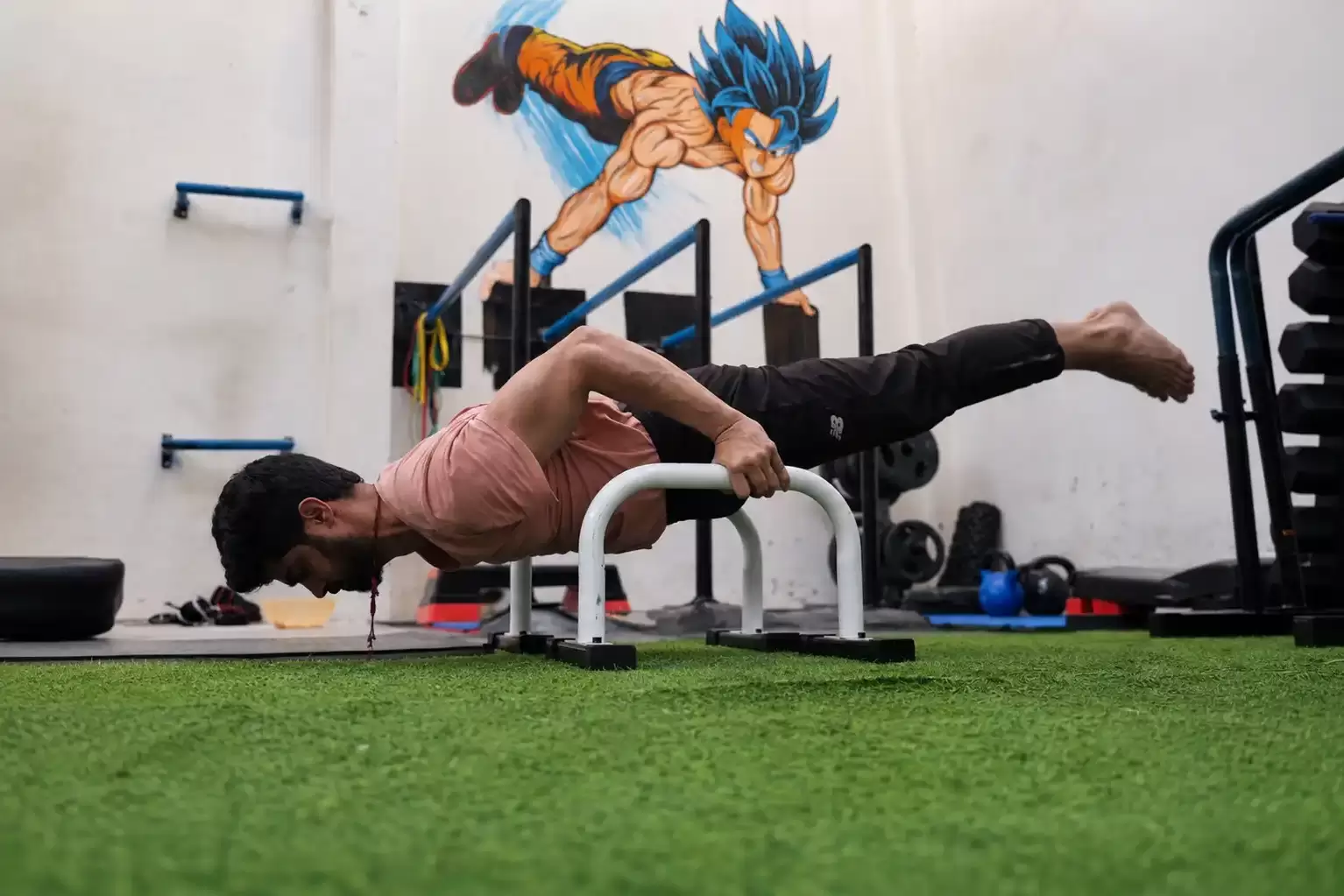
25/03/2026
What Is Calisthenics? A Complete Beginner’s Guide for Indians
When you are alone for days or weeks at a time, you eventually become drawn to…

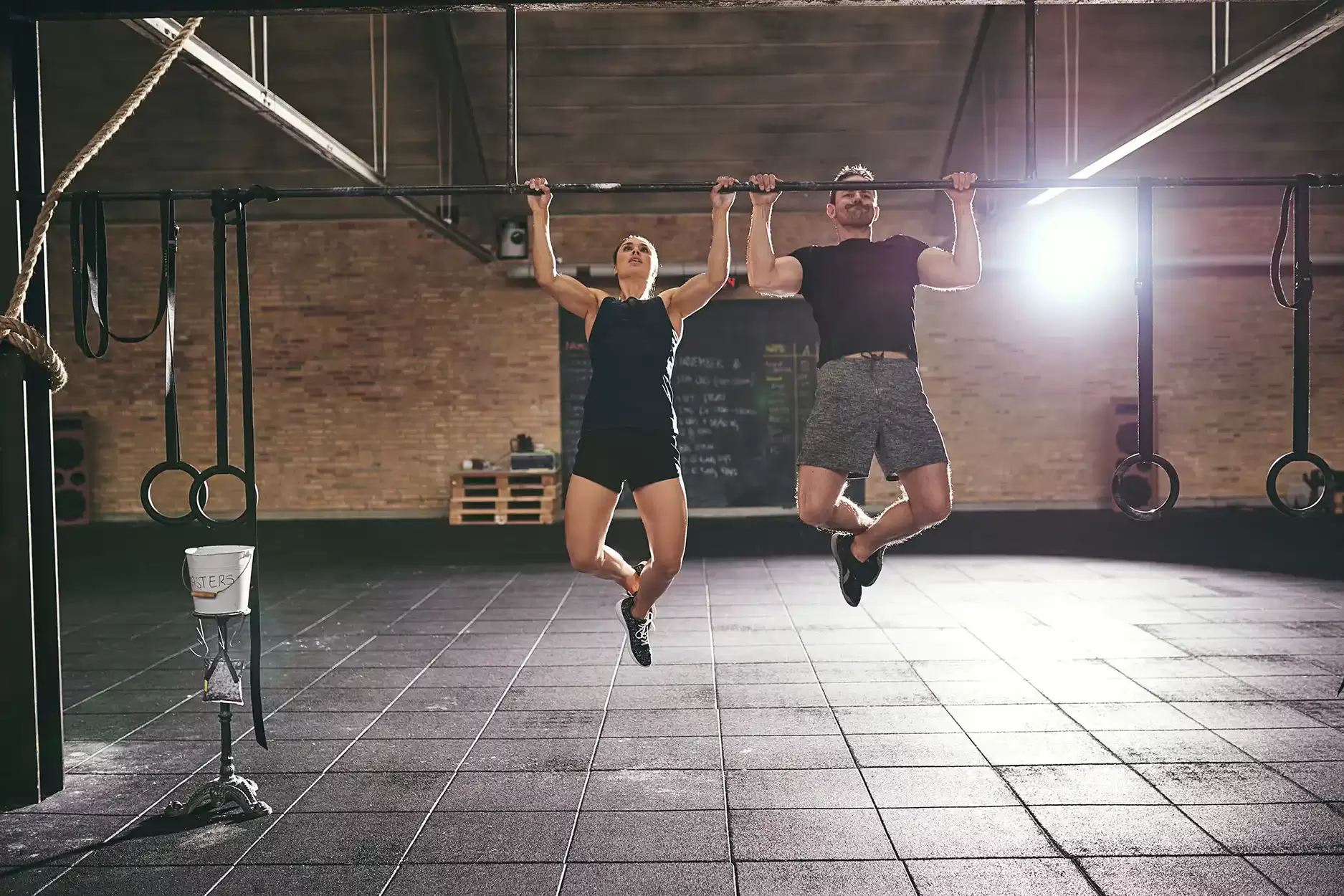
20/03/2026
Calisthenics vs Gym: Which Is Better for You?
Just the other day I happened to wake up early. That is unusual for an…
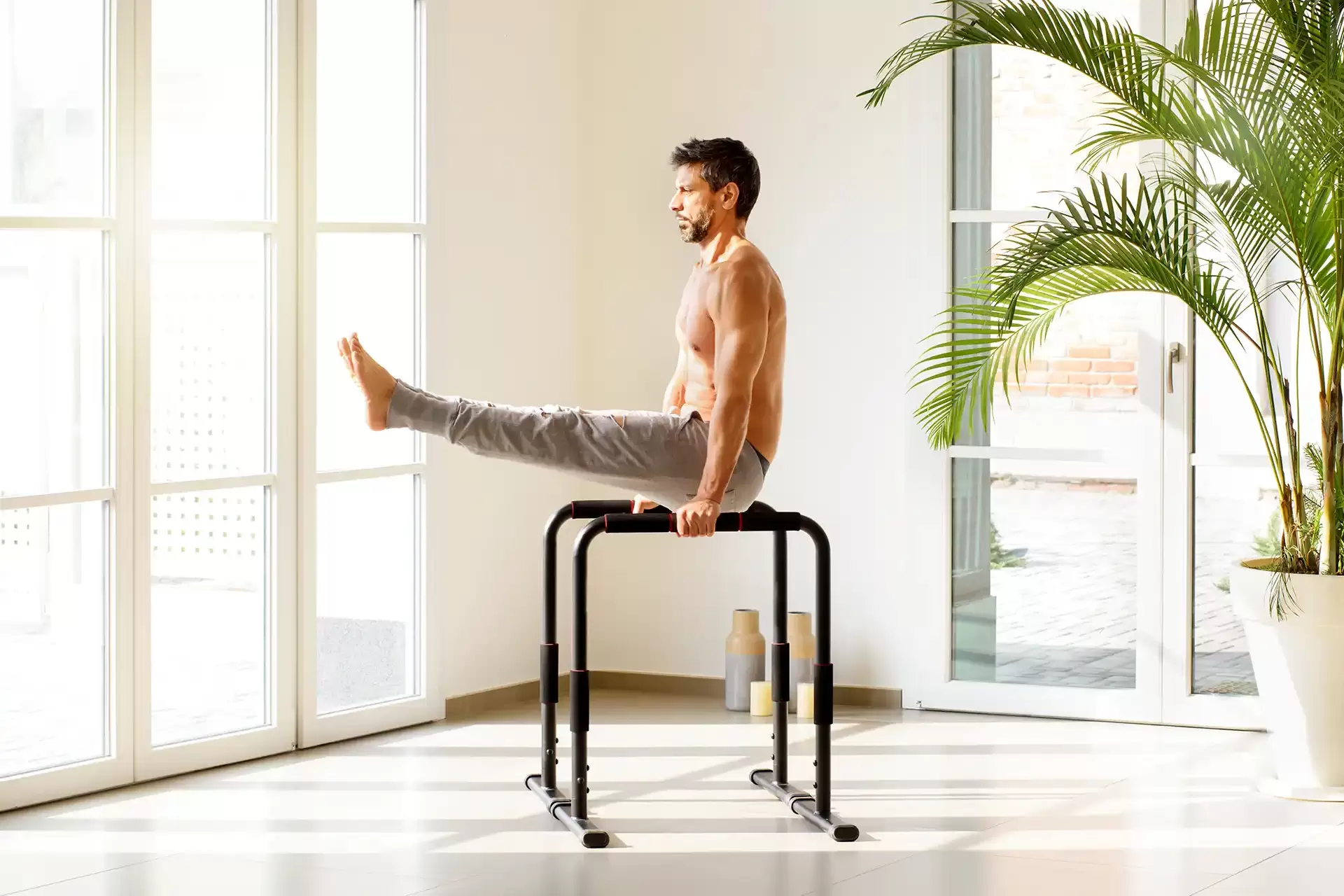
18/03/2026
How to Start Your Fitness Journey from Home (No Equipment Needed)
Talking to randos is the norm. I’ll never forget the conversation with the…