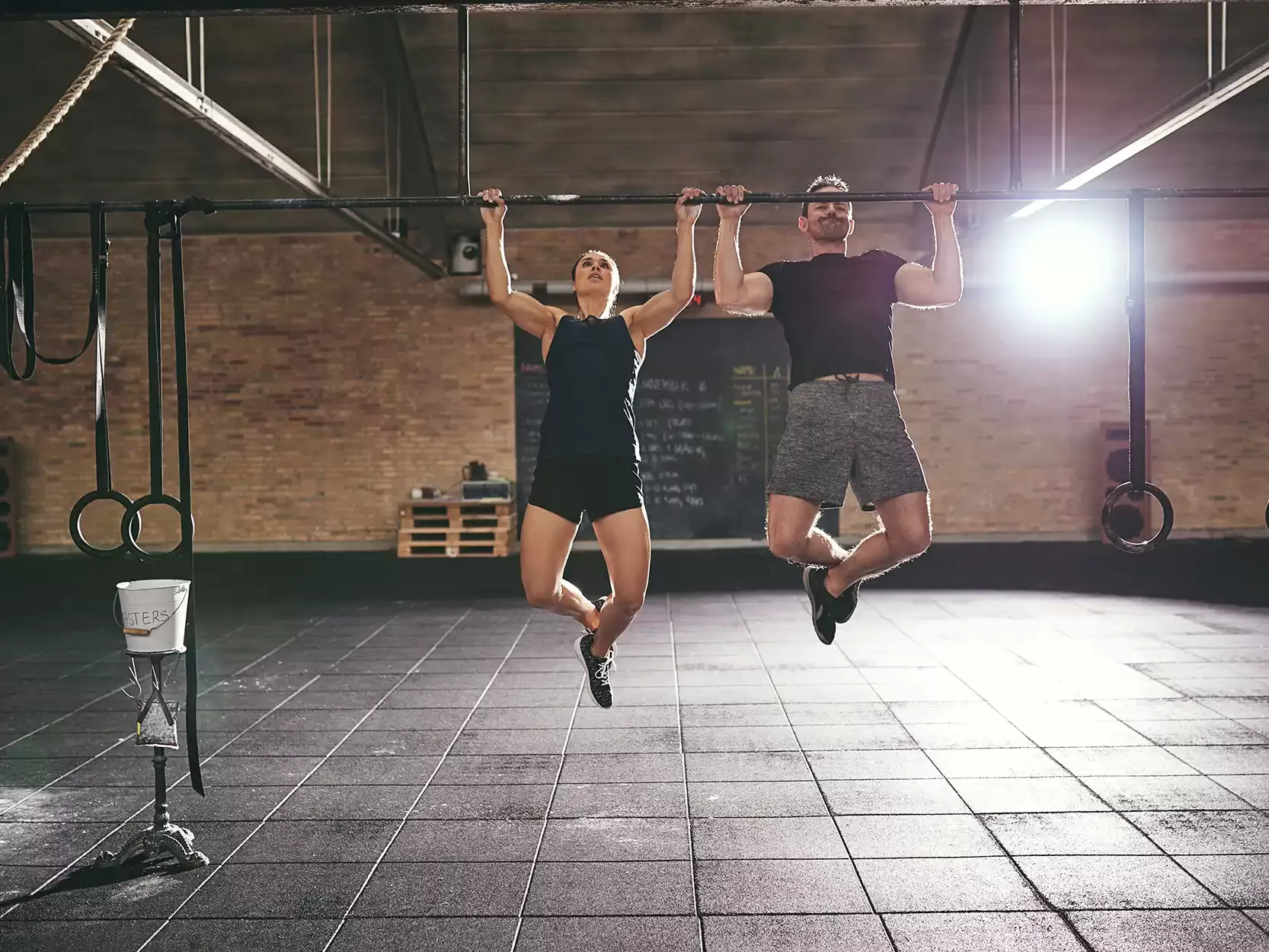
Every fitness journey begins with a single decision.
Not the decision to buy expensive equipment.
Not the decision to join a gym.
Simply the decision to start.
If you’ve been thinking about getting fitter but feel unsure where to begin, you’re not alone. Thousands of people search every month for ways to start exercising at home because the first step often feels like the hardest one.
Maybe you’ve tried before and stopped after a few weeks.
Maybe you’re worried you’re too unfit.
Maybe you’re waiting until you have “more time”.
The good news is this:
You don’t need perfect timing, expensive equipment or previous experience to become healthier.
You simply need a plan that feels achievable.
At Califitoga, we believe fitness should meet you where you are. Whether you’re 18 or 58, returning after years away from exercise or beginning for the very first time, your body is capable of becoming stronger one movement at a time.
Let’s explore how to start your fitness journey from home with confidence.
Why Starting Feels So Difficult
Most people don’t struggle because exercise is hard.
They struggle because starting feels overwhelming.
Social media often shows advanced athletes performing incredible skills, making beginners feel they need to be fit before they even begin.
In reality, every experienced athlete once struggled with their first squat, push-up or plank.
Your journey doesn’t need to look like anyone else’s.
It only needs to move you forward.
The Most Common Mental Barriers
Before discussing workouts, it’s worth addressing the thoughts that stop many people from taking action.
“I’m too unfit.”
Fitness isn’t a requirement to start exercising.
It’s the result of exercising consistently.
Everyone begins somewhere.
“I don’t have enough time.”
You don’t need an hour every day.
Twenty to thirty minutes, three times a week, is enough to build momentum.
Consistency beats perfection.
“I need equipment first.”
Your own body provides everything you need to begin.
Bodyweight training develops strength, balance, mobility and coordination without machines or weights.
“I’ll start on Monday.”
The perfect Monday rarely arrives.
The best day to begin is today, even if today’s workout lasts only ten minutes.
“What if I fail again?”
Missing a workout doesn’t mean you’ve failed.
Progress isn’t built by never making mistakes.
It’s built by returning every time you stop.
Why Home Workouts Work
One of the biggest myths about fitness is that results only come from expensive gyms.
In reality, your muscles respond to effort, not location.
Home workouts offer several advantages:
- No travel time
- No membership fees
- Flexible schedule
- Privacy for beginners
- Easy to build a routine
- Less intimidation
Removing these barriers makes it easier to stay consistent.
The Five Foundational Movements Every Beginner Should Learn
Rather than memorising dozens of exercises, focus on mastering five basic movement patterns.
These movements form the foundation of almost every strength programme.
1. Push
The push movement strengthens:
- Chest
- Shoulders
- Triceps
- Core
Start with:
- Wall push-ups
- Incline push-ups
- Knee push-ups
Eventually progress towards standard push-ups.
2. Squat
Squats build strength in:
- Glutes
- Quadriceps
- Hamstrings
- Core
They also improve balance and make everyday activities like sitting and standing much easier.
Begin with slow, controlled bodyweight squats.
3. Plank
Planks teach your body how to stabilise the spine.
A strong core supports:
- Better posture
- Lower back health
- Balance
- Everyday movement
Start with short holds of 15 to 20 seconds and gradually increase the duration.
4. Hip Hinge
Many people bend from their back instead of their hips.
Learning the hip hinge teaches proper lifting mechanics while strengthening:
- Glutes
- Hamstrings
- Lower back
Good mornings and glute bridges are excellent beginner exercises.
5. Pull
Pulling movements strengthen the upper back and improve posture.
If you don’t yet have a pull-up bar, begin with:
- Resistance band rows
- Towel rows
- Backpack rows
- Table rows (if safe)
Over time, work towards assisted pull-ups and eventually unassisted pull-ups.
What a Realistic Beginner Week Looks Like
One of the biggest mistakes beginners make is trying to exercise every day.
Your body needs time to recover and adapt.
Here’s an example of a simple first week.
Monday
Full Body Strength
- Bodyweight Squats × 10
- Wall Push-ups × 10
- Glute Bridges × 12
- Plank × 20 seconds
Repeat three rounds.
Tuesday
Walk and Move
Take a 20 to 30-minute walk.
Finish with gentle stretching.
Wednesday
Repeat Monday’s workout.
Focus on improving technique rather than increasing repetitions.
Thursday
Active recovery.
Go for a walk, play with your children, practise mobility or simply stay active.
Friday
Repeat your full-body workout.
Notice how much easier the movements already feel.
Saturday
Choose something enjoyable.
Walking.
Cycling.
Dancing.
Playing a sport.
The goal is simply to move.
Sunday
Rest.
Recovery is part of training.
Your muscles become stronger while recovering, not during the workout itself.
How to Measure Progress Without a Gym
Many people think progress only means lifting heavier weights.
That’s only one way to improve.
Notice these signs instead.
You recover faster.
Walking upstairs no longer leaves you breathless.
Daily activities feel easier.
Carrying groceries.
Picking up your child.
Getting up from the floor.
Everything becomes more comfortable.
Your posture improves.
You naturally stand taller and feel less stiffness after sitting.
Exercises become easier.
You complete more repetitions with better control.
Movements that once felt impossible begin to feel natural.
Your confidence grows.
Perhaps the biggest transformation is believing in your own ability.
Confidence built through movement often extends into every part of life.
Small Habits Create Big Results
Fitness isn’t built by occasional heroic effort.
It’s built through daily habits.
Simple examples include:
- Drinking enough water
- Walking after meals
- Sleeping well
- Standing regularly during work
- Stretching for five minutes
- Completing your scheduled workouts
These habits reinforce one another over time.
Why Community Makes a Difference
Starting alone is possible.
Staying consistent alone is much harder.
When you’re surrounded by people working towards similar goals, something changes.
You celebrate progress together.
You stay motivated during difficult weeks.
You realise everyone faces setbacks.
Community transforms fitness from a chore into a shared journey.
Why Coaching Accelerates Results
Searching online provides endless information.
Unfortunately, it also creates confusion.
One video recommends one approach.
Another recommends the opposite.
Good coaching removes uncertainty.
A coach helps you:
- Learn proper technique
- Progress safely
- Avoid common mistakes
- Stay accountable
- Adapt exercises to your ability
- Build confidence
Instead of wondering what to do next, you always know your next step.
That clarity often leads to faster and more sustainable progress.
Every Expert Was Once a Beginner
Nobody starts strong.
Nobody starts perfect.
The people who inspire you today were once beginners learning their first squat, struggling through their first push-up and wondering if they were capable of changing.
The difference wasn’t talent.
It was consistency.
At Califitoga, we believe fitness is about mastering your own body at your own pace. You don’t need to compare yourself with anyone else. You simply need to become a little stronger than you were yesterday.
Start where you are.
Use what you have.
Trust the process.
Your future self will thank you.
Frequently Asked Questions
Can I get fit at home without equipment?
Yes. Bodyweight exercises such as squats, push-ups, planks and glute bridges can build strength, improve fitness and increase mobility without any equipment.
How many days a week should beginners exercise?
Most beginners benefit from three strength sessions each week, combined with walking and light movement on other days.
How long should a beginner workout last?
Twenty to thirty minutes is enough for most beginners. The goal is consistency rather than long training sessions.
What is the best exercise for someone starting from zero?
There isn’t one perfect exercise. A combination of squats, push-ups, planks, hip hinges and pulling exercises provides a balanced foundation for full-body strength.
How long before I notice results?
Many people notice improved energy, mobility and confidence within two to four weeks. Visible physical changes usually take longer and depend on consistency, nutrition and recovery.
Do I need a coach to get started?
No, but coaching can help you learn correct technique, avoid injuries and stay accountable. Many beginners progress faster when they have expert guidance and a supportive community.

Related Posts
25/03/2026
What Is Calisthenics? A Complete Beginner’s Guide for Indians
When you are alone for days or weeks at a time, you eventually become drawn to…

20/03/2026
Calisthenics vs Gym: Which Is Better for You?
Just the other day I happened to wake up early. That is unusual for an…
28/01/2026
Can You Lose Weight with Calisthenics? Here Is the Truth
Last year I wrote about why booking too far in advance can be dangerous for…